SaaS isn't dead. The way you pay for it is.
The headlines say AI killed SaaS. The truth is more useful: what's dying is per-seat rent — and what replaces it matters more than the obituary.
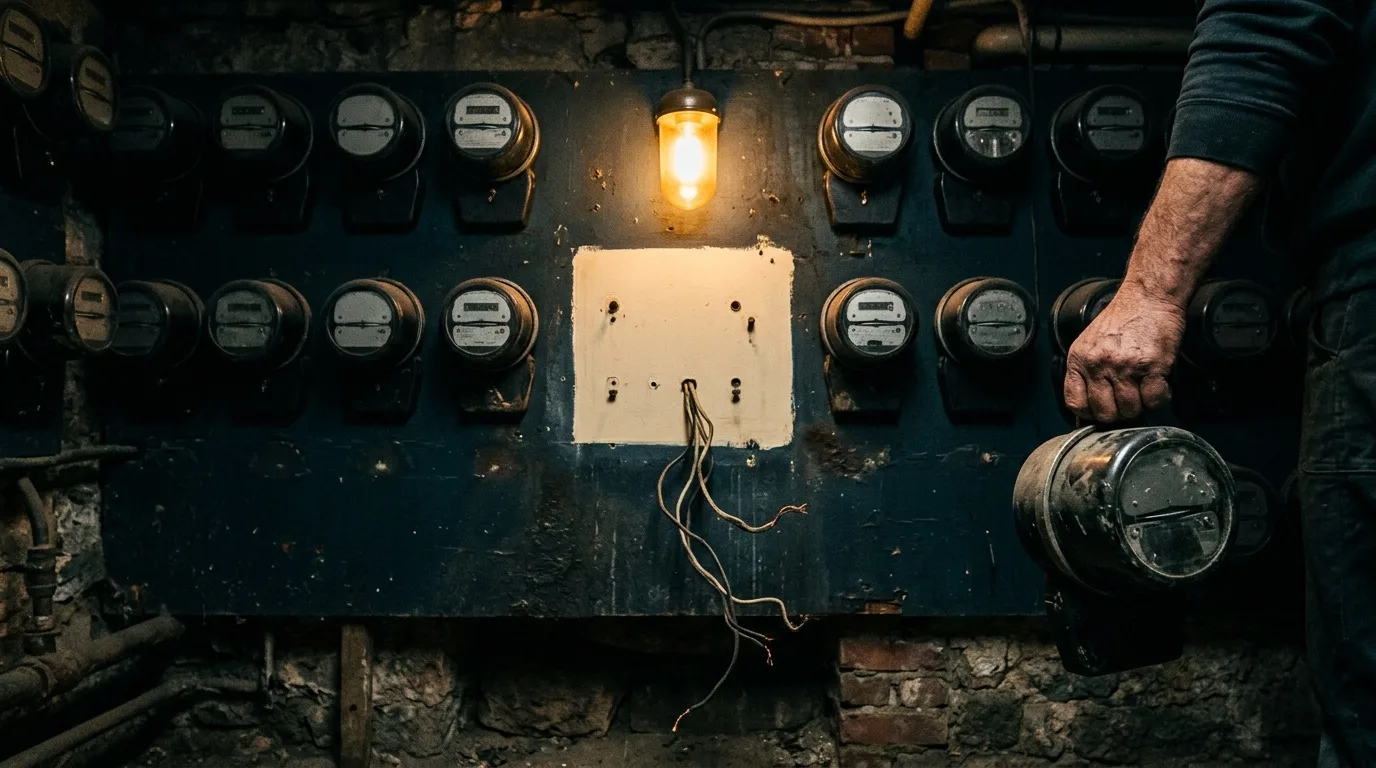
You may have seen the headlines. "SaaS is dead." Chief executives ripping out household-name software and replacing it with systems their own teams built with AI. If you pay monthly bills for a stack of business tools, it is a fair moment to wonder what is actually going on.
The stories are real. Curative, a US healthcare company, cancelled a $600,000-a-year Salesforce contract after its team built an internal replacement in about two months, and says it plans to cut most of its software subscriptions the same way. Klarna made similar noise about Salesforce and Workday, though follow-up reporting suggests part of that was a move to different software rather than a clean in-house replacement. Read those stories as the direction of travel, not proof.
What is actually dying
Not software as a service. Software delivered over the internet, kept running by somebody else, is a perfectly good idea; it is how everything we build is run too.
What is dying is the per-seat meter. For twenty years the standard deal has been: rent generic software, pay for it by the head, forever. That deal made sense when building your own system cost hundreds of thousands of pounds. AI has collapsed that cost, which breaks the arithmetic from both ends at once.
From one end: custom is now affordable. The main reason to tolerate software that almost fits was always the price of the alternative, and that reason is disappearing. From the other: AI makes your team more efficient, which means fewer seats doing more work. A vendor who charges per seat is now priced against your own efficiency. Every gain you make, they lose. The market has noticed: a 2026 market analysis by BayTech Consulting puts pure per-seat pricing below a fifth of SaaS pricing models, and falling.
The part of the story nobody puts in the headline
Back to Curative for a moment, because the most useful sentence in that story is buried well below the $600,000: the CEO's admission that the replacement path "hasn't been perfect", and that maintenance is "definitely one of the most challenging pieces."
That is the honest half of the SaaS-is-dead story, and it deserves more attention than it gets. A system your team assembled quickly with AI has no inspection regime and no evidence trail. And when it breaks, nobody is contractually awake at two in the morning. We wrote about this gap in the last post: AI made code cheap, but it did not make quality cheap. Replacing a subscription with an unmaintained internal tool trades a predictable bill for an unpredictable liability. That is not the ownership we mean.
The question worth asking instead
For a business owner, the headline question is the wrong one. The better question: which of your tools are really just your own data, sitting in someone else's database, with a meter on it?
Think of the CRM that almost fits, or the portal you pay for by the head. Those are the tools worth owning now: built once, around how your business actually works, running in your own cloud account, at a fixed price agreed before work starts. No meter.
And the rest? Keep renting it, honestly. Keep Xero. Keep Teams. Accounting and payroll are regulated commodities done well by specialists; communications is a commodity full stop. We say this to clients directly, and we name the categories we decline to build. A supplier who claims to replace everything should worry you.
Ownership, without the confession
The difference between owning software well and owning it the way that ends in a maintenance confession is machinery, not luck. Every system we hand over comes off one centrally audited platform; every change passes four machine-run inspections before it can ship; and the evidence is generated with the build and yours to keep: the specification, the conformance report, a daily-audited security record. And under the managed service, the person awake at two in the morning is contractually us.
SaaS isn't dead. But renting your own business back — by the seat, by the month, forever — that era is ending. The businesses that come out ahead will be the ones that own the systems that make them different, rent the commodities that don't, and can tell the difference.
Wondering which of your tools are which? That is a good discovery-call conversation: book one. Half an hour, no charge, and we will happily tell you which of your subscriptions we would leave exactly where they are.